Drivers on Dutch residential streets frequently pass school access points where pedestrian volumes rise sharply and vehicle movements become less predictable. A structured checklist supports consistent observation and decision making without depending on recall during each approach. The method draws on signage standards and priority rules maintained by Rijkswaterstaat and municipal traffic authorities.
The checklist covers sign interpretation, speed choice, carriageway position, scanning routines and interactions with other users. It applies on streets subject to 30 km/h limits and can be adapted where lower or time-specific restrictions are posted. Regular use helps drivers maintain appropriate margins when children and adults move near the kerb.
Recognising the approach signs
Dutch school zones display rectangular warning signs featuring a child symbol and the word “school”. These plates are positioned between 50 and 100 metres before the first crossing or entrance in most built-up areas. Additional panels may specify operating hours or reduced speed requirements. Drivers should note whether the restriction applies only on school days or during particular morning and afternoon windows. Missing the time panel can lead to unnecessary speed reduction outside active periods or, conversely, failure to slow when children are present. Signs may be partially obscured by foliage or parked vehicles, so a deliberate scan of both sides of the road improves detection. Where multiple schools stand close together, overlapping zones can create extended stretches of lower speed. Checking the end-of-zone plate prevents premature acceleration once the immediate risk area has passed.
Local variations exist because municipalities retain responsibility for exact placement and supplementary text. Some authorities add flashing lights or pavement markings to reinforce the message during peak times. Drivers new to a route benefit from noting the sequence of signs on an initial pass so subsequent journeys require less visual search. The key judgement is whether the posted hours align with the current time before deciding on speed adjustment.
Setting the correct speed before the zone
Speed reduction should begin while still 30 metres from the first school sign. Gradual deceleration avoids startling following drivers and preserves time for scanning pavements and side entries. The target is to reach the posted limit, normally 30 km/h, before crossing the zone boundary line if one is marked on the carriageway. Maintaining a steady pace rather than repeated acceleration and braking reduces the risk of sudden stops when pedestrians step out unexpectedly.
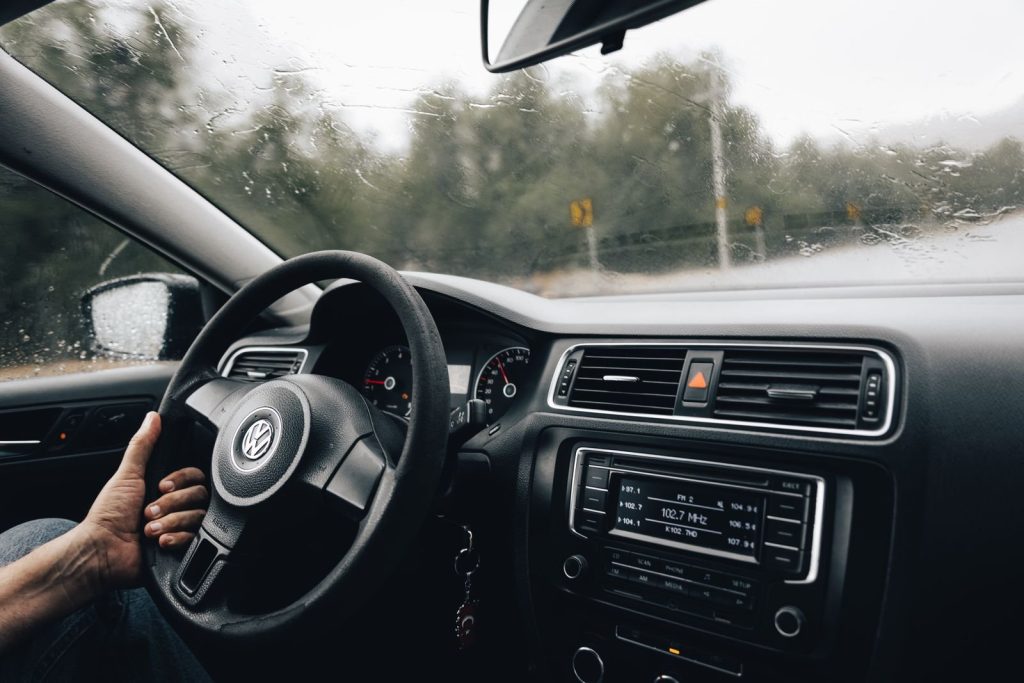
Weather conditions affect braking distance, so wet or icy surfaces require an earlier and smoother reduction. On roads with a gentle downhill gradient, engine braking helps keep speed controlled without heavy use of the foot brake. Common errors include waiting until the sign is level with the vehicle before acting, which leaves insufficient margin if a child appears at the same moment. Another frequent mistake is dropping speed too sharply, causing the vehicle behind to close the gap rapidly.
Positioning within the carriageway
Staying approximately one metre from the kerb provides a buffer against pedestrians who step off the pavement without looking. This offset also reduces the chance of striking wing mirrors on vehicles parked tightly against the crossing area. On narrower streets with continuous parking, a modest move toward the centre line can improve forward visibility, provided the opposite lane remains clear and overtaking rules permit the shift.
Drivers must avoid crossing into the opposing lane unless a broken centre line and clear sight distance allow it. Where cycle paths run alongside the carriageway, maintaining distance from the kerb also protects cyclists who may swerve around groups of waiting parents. Judging the correct offset becomes more difficult in low light or when parked vans block the view of the pavement edge, so slower speeds compensate for reduced visual information.
Scanning for crossing movements
Effective scanning begins with the pavement edges and any gaps between parked cars. Children often travel in clusters and may not pause at the kerb. A systematic pattern of checking left pavement, right pavement, rear-view mirror and side mirror every five seconds keeps attention moving without fixation on a single area. Door mirrors deserve particular attention because cyclists can approach from behind and turn into the school entrance without warning.
At junctions or driveways within the zone, drivers should also glance into those openings for vehicles exiting or entering. Reduced speed extends the available reaction window when a child darts forward. A common error is focusing solely on the road ahead while neglecting the mirrors, which leaves following cyclists or overtaking cars unaccounted for. Another mistake is allowing the scan to linger too long on one mirror, causing forward progress to continue unchecked.
Sharing space with accompanying adults
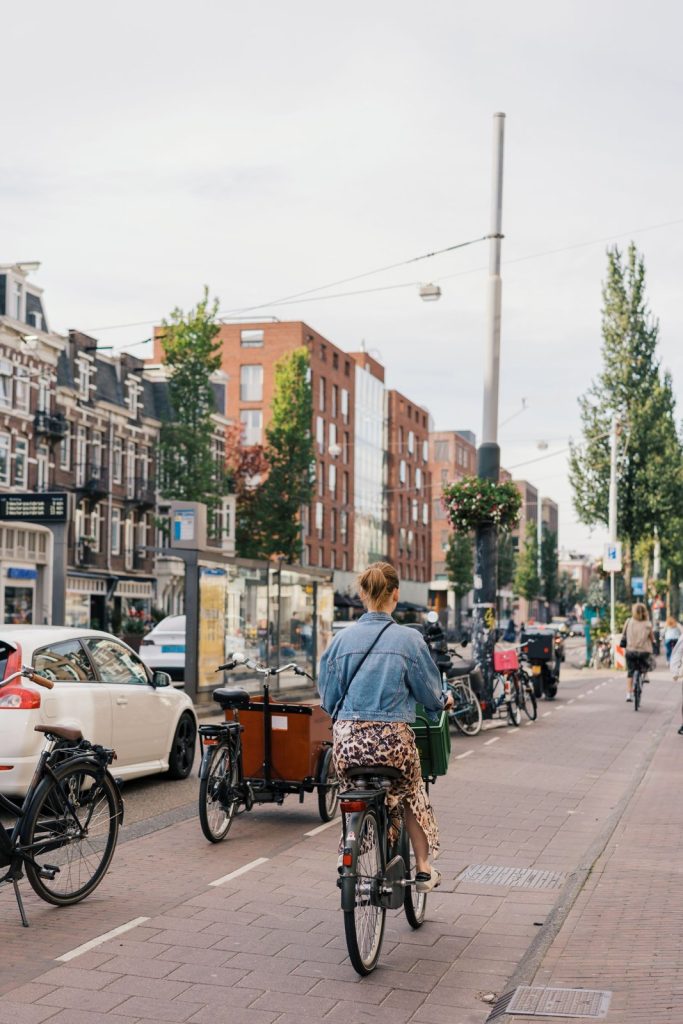
Adults walking with children sometimes move into the road to shepherd them across or around obstacles. Extra clearance should be given whenever an adult faces the carriageway or holds a child’s hand near the edge. The presence of pushchairs or groups of parents increases the likelihood of sudden lateral movement, so a wider margin and lower speed become appropriate.
Drivers should not assume that supervising adults will control every action of the children in their care. Treating every visible group as potentially unpredictable until it has cleared the road surface reduces surprise encounters. On streets where parents double-park to drop off children, the resulting narrowing of the carriageway requires careful judgement of whether to wait or to proceed at very low speed.
Handling peak arrival and departure times
The fifteen minutes before and after school start or finish produce the highest density of movements. Double-parked cars and vehicles stopping abruptly become common, so following distance should be increased to allow for these unplanned halts. Remaining in the through lane rather than mounting the pavement or cycle path avoids obstructing other users and reduces enforcement risk.
When a queue forms, patience prevents drivers from attempting risky overtakes within the zone. Visibility can be further reduced by parents standing in the road to wave children across, requiring even slower progress and heightened mirror checks. The same principles apply during adverse weather when parents may linger longer while children put on coats or adjust bags.
Leaving the zone and resuming normal speed
Reduced speed should continue until the final “end of school zone” plate or until the last marked crossing has been passed. Only then is gradual acceleration back to the normal residential limit appropriate. Stragglers leaving after the main groups still require the same observation routine for an additional 50 metres beyond the marked boundary.
Drivers sometimes accelerate too early when they see the end plate, overlooking children who may still be crossing further along the street. Checking both pavements and mirrors before increasing speed prevents this error. The checklist can be reviewed at the start of any drive that passes a school, turning the sequence of actions into a repeatable habit rather than a reactive response.