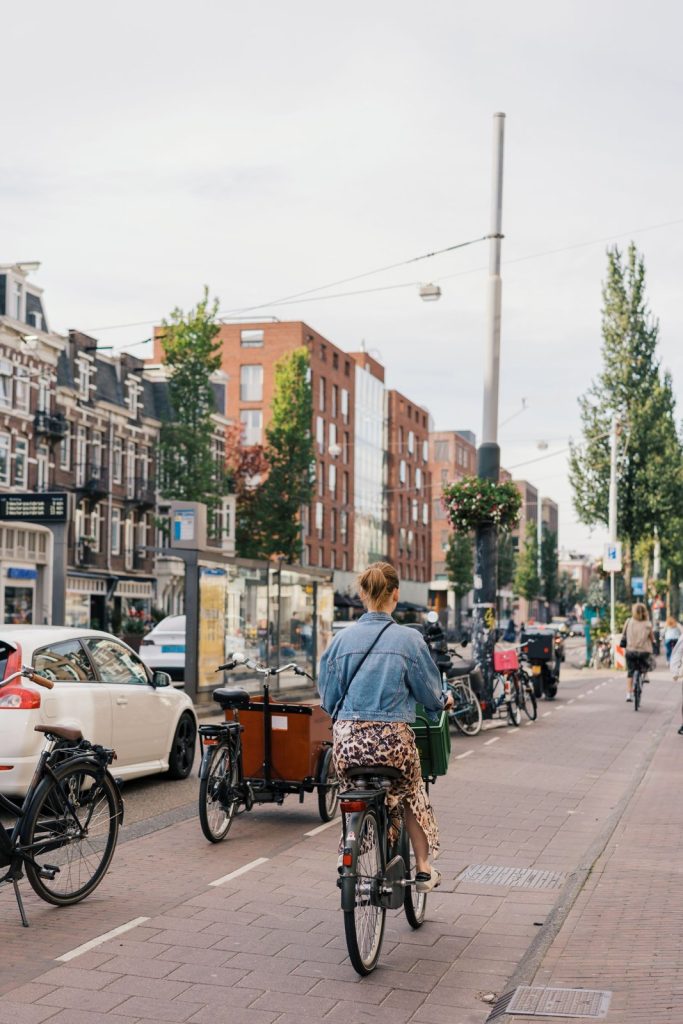
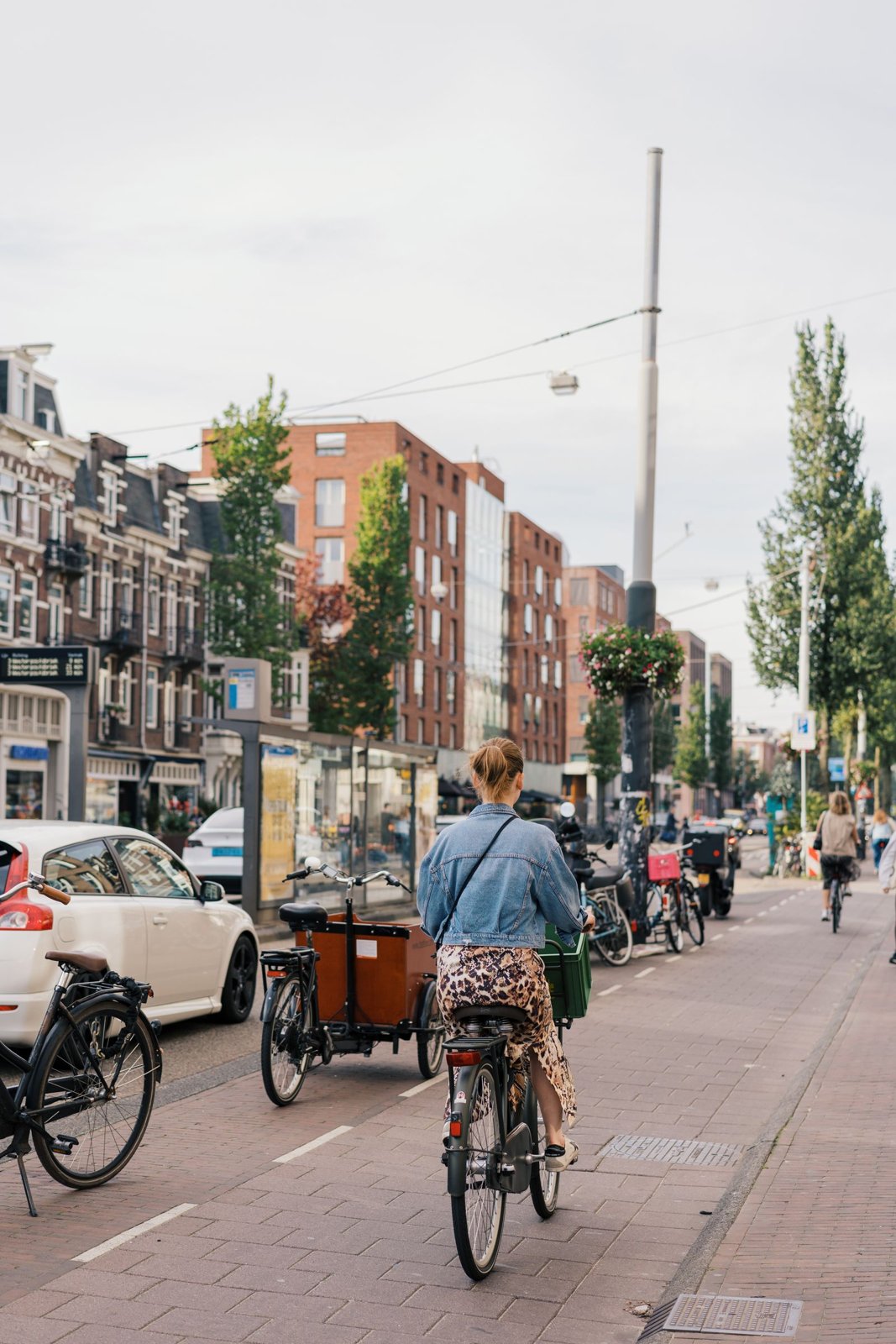
A driver close behind can make a learner feel responsible for keeping the whole road moving. That pressure can narrow attention and encourage an unnecessary acceleration, turn or lane change. The useful lesson is to recognise the pressure without letting it decide your next action. You cannot control the following driver, but you can keep reading the road and work with your instructor on a lawful, predictable response. Prepare the discussion before a difficult moment. A confident approach is not retaliation or proving that you are unbothered; it is continuing to make decisions from the actual traffic situation.
Recognise the feeling without staring at it
Tell your instructor if the vehicle behind is dominating your attention. Rear observation remains part of driving, but repeatedly watching one impatient driver can cause you to miss the road ahead. The instructor can help you restore a balanced traffic picture and identify an appropriate response. Do not interpret the other driver’s intention as established fact. You may observe a short gap or repeated signals, but guessing the person’s motive adds little to the immediate safety decision.
Separate discomfort from a requirement to change speed. Another driver’s impatience does not make an unsuitable speed or manoeuvre appropriate. Continue to follow the applicable controls and the instructor’s guidance for the conditions. Do not treat a speed limit as a command to drive at that value regardless of the situation. Likewise, avoid making an abrupt change merely to communicate displeasure. Predictability and attention to the actual road are more useful than attempting to send a lesson to the following driver.
Discuss safe opportunities without forcing one
ANWB’s advice on tailgating encourages avoiding escalation and letting the other vehicle pass when it is possible to move aside appropriately. That is not an instruction to create a dangerous gap or enter an unsuitable space. In a lesson, discuss the location and available options with your instructor. An appropriate opportunity depends on the road, markings, traffic and manoeuvre. Do not move into another user’s path simply because the car behind would prefer you to disappear.
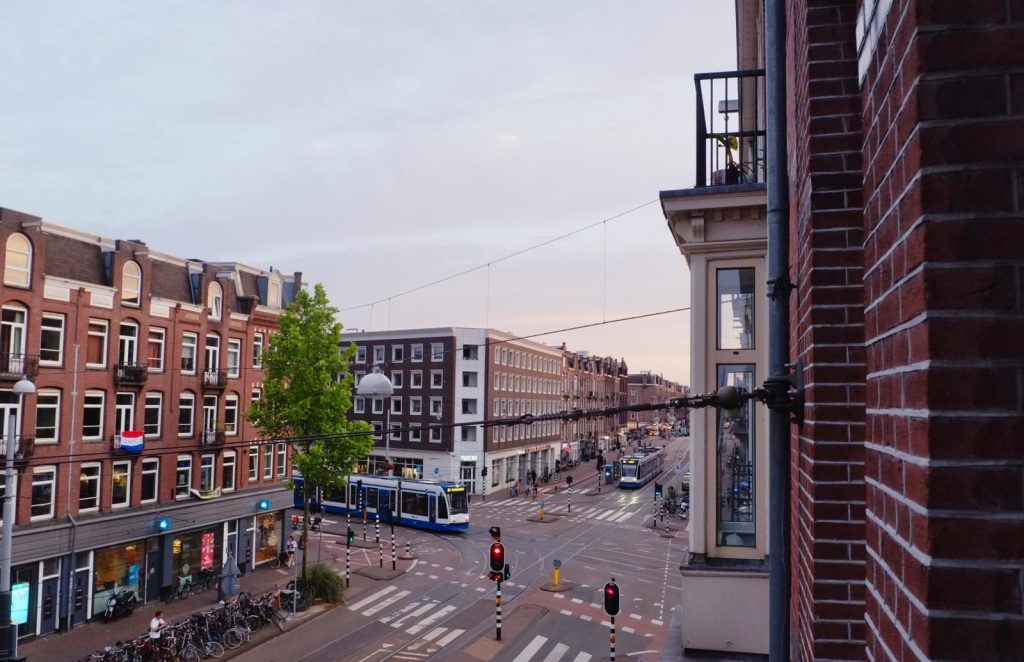
A rushed turn into a side road can introduce a new hazard involving cyclists, pedestrians or approaching traffic. The immediate pressure behind does not cancel the normal observation needed for the manoeuvre. If a safe opportunity is not present, do not invent one. The instructor can help you continue predictably and choose the next appropriate decision. This is a useful example of why defensive driving is not the same as complying with every demand made by another road user.
Do not retaliate with the controls
Deliberate braking to punish the following driver, aggressive gestures or a contest over position can escalate the situation. Keep your actions connected to the traffic conditions and instruction. Necessary braking for a real hazard is different from using the pedal as a message. Make that distinction explicit in the lesson discussion. The goal is not to avoid every action that might annoy someone, but to avoid introducing an unnecessary risk in response to annoyance.
Do not accelerate simply to make the mirror image look less threatening. You may only move the pressure to the next decision while reducing your own margin. If you feel overwhelmed, say so to the instructor and follow their direction. A lesson should provide support for handling workload, not demand silent endurance. The instructor can choose an appropriate route or stopping opportunity; the learner should not attempt an improvised escape from discomfort through an unsafe manoeuvre.
Maintain the space and information you can control
Continue reading the traffic ahead and following the instructor’s guidance on an appropriate gap and speed. The behaviour behind does not make the vehicle ahead less relevant. Anticipating changes early can help keep your own response smooth where conditions permit. Do not turn that principle into a fixed formula for every road or weather condition. ANWB explains following distance in relation to reaction and braking; the relevant margin must still suit the actual situation.
Notice whether you begin copying the other driver’s urgency. You might approach a junction faster, stop checking a cycle path or accept an uncertain gap because you want to leave the situation. These are concrete behaviours to review later. A useful correction focuses on the missed decision rather than simply telling yourself to be less nervous. The instructor can help break the problem into observation, planning and vehicle control, making it easier to practise proportionately.
Rehearse the reasoning away from the pressure
While parked, compare a few hypothetical layouts: a single-lane street, a multilane road and an approaching turn with cyclists. Discuss what information would matter and which actions would be unsuitable. Do not seek out an aggressive driver for practice. The rehearsal is about keeping normal decision rules available under pressure. A diagram can show why a manoeuvre that seems to relieve the mirror problem might create a more serious conflict elsewhere.
Use language you can recall in the car: keep reading ahead, do not rush the turn and ask the instructor if uncertain. These are reminders, not a substitute for real-time guidance. Avoid a complicated script that consumes the attention it is meant to protect. The purpose is to regain the wider scene and make one appropriate decision at a time, rather than mentally arguing with a stranger whose behaviour you cannot reliably change.
Debrief the decisions instead of the driver’s personality
After the event, note when pressure first affected your observation or planning. Did you notice the next sign late, change speed without a road-based reason or consider a turn before checking it? These are useful learning points. A discussion focused only on whether the other driver was rude may leave the skill unchanged. You can recognise unacceptable behaviour while still examining what support and preparation would help you maintain your own decision process.
Choose a bounded goal for future lessons. You might practise smooth approaches to junctions while maintaining rear awareness, or verbalise the reason for waiting in an uncertain situation. The goal is not to become indifferent to danger or prove confidence through confrontation. It is to make your response more predictable and grounded. If an incident is serious, follow the instructor’s advice about appropriate reporting from a safe situation rather than attempting to document it while driving.
Recognise pressure from behind, communicate with your instructor and keep the whole road in view. Do not retaliate, accelerate unnecessarily or force a manoeuvre to satisfy another driver. Letting a vehicle pass can be appropriate only when the actual opportunity is safe and lawful. The lasting skill is maintaining your own decision process, even when someone else tries to supply the urgency.