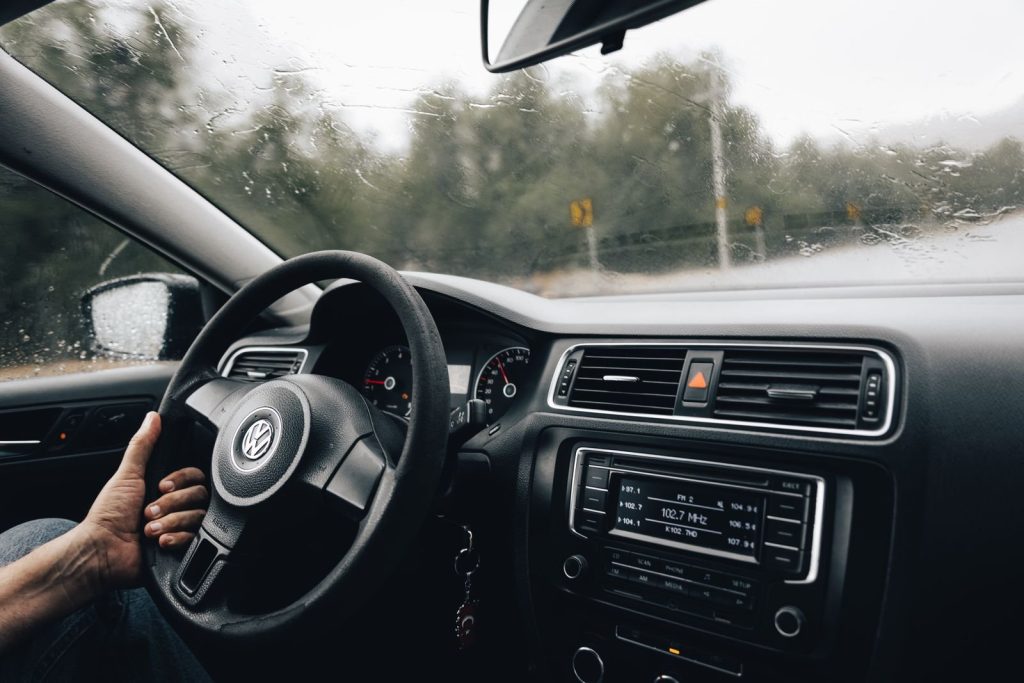
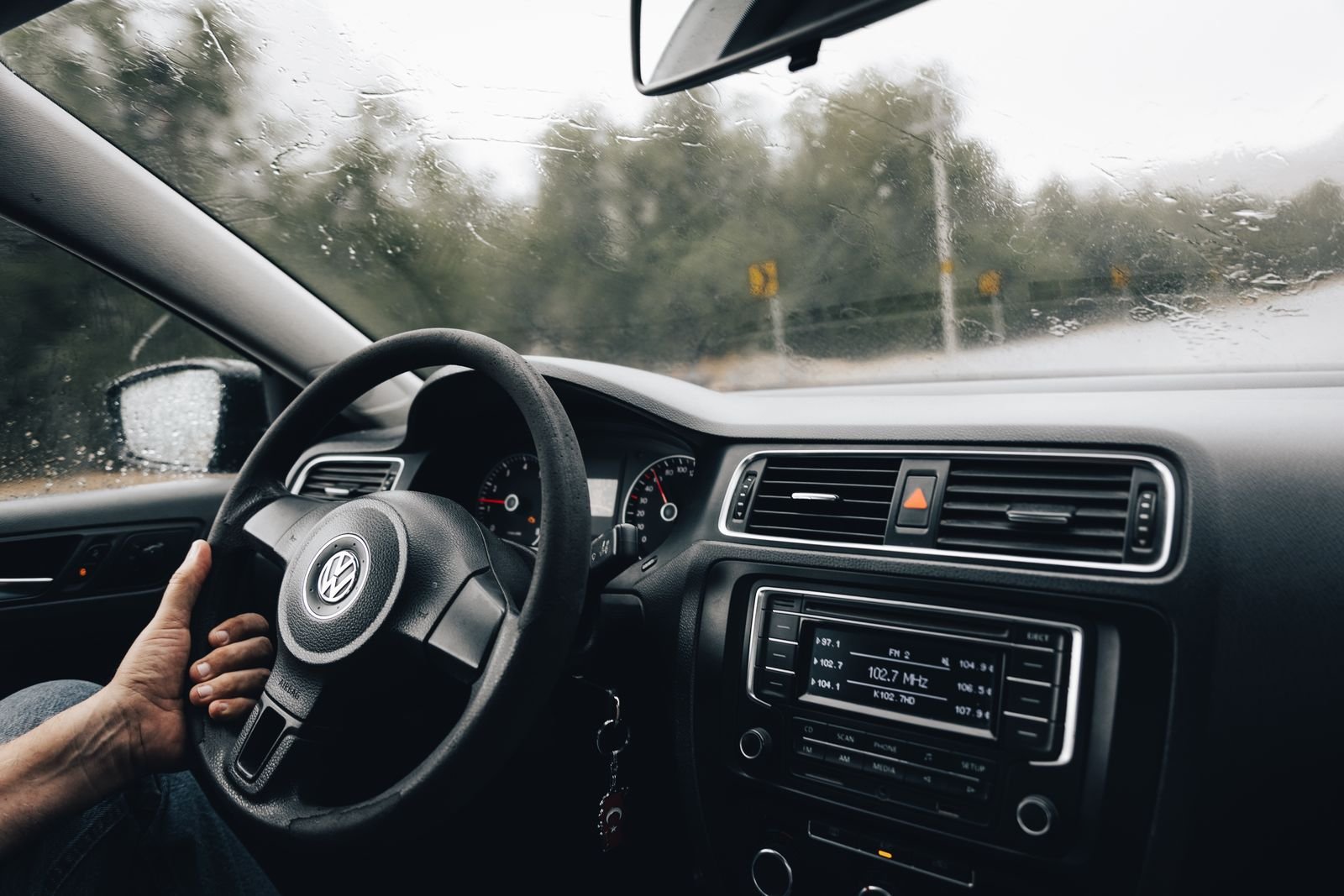
Lighting can feel automatic in a modern car until poor visibility exposes a gap in understanding. Daytime running lights, dipped headlights and front and rear fog lights are different functions. The controls and dashboard symbols also vary by vehicle. Before a difficult weather lesson, learn what each control does while safely parked and connect it to current Dutch rules. A single instruction to turn on the fog lights is too vague. It can conceal an important difference between front and rear use and leave a learner unsure which lights are actually operating outside the car.
Identify the functions in the car you are using
Ask the instructor to show the relevant controls and indicators before departure. Use the vehicle handbook where needed. Do not assume that a similar switch in another car works identically or that one position activates every light you want. The learner should be able to identify the function rather than memorise a hand movement. If the lesson vehicle changes, repeat the check. Familiarity with the rule and familiarity with the particular control are separate skills.
Where it can be done safely and appropriately, connect the dashboard indication with an explanation of the external lights. Do not leave the car or operate controls in an unsafe roadside setting merely to inspect them. A parked briefing is the useful place for this task. The objective is to know what is selected before weather increases the driving workload, so you are not searching the dashboard while trying to read a poorly visible road.
Keep front and rear fog-light rules distinct
Rijksoverheid states that front fog lights may be used when fog, snowfall or rain seriously obstructs visibility. It states that the rear fog light may be used only in fog or snowfall when visibility is less than 50 metres, and not in heavy rain. These are different conditions. Learn them accurately with current theory material rather than applying one rule to every fog-light switch. A vague feeling that the weather is unpleasant is not the same as the stated condition.
Discuss how to judge the relevant situation with your instructor. Do not turn the threshold into a guessing game based on an unverified distance to a moving vehicle. The point is to understand the rule and its application, not create false precision from a casual estimate. If you are unsure during a lesson, say so and follow the instructor’s guidance. Avoid copying another driver’s lights as if their choice established what is appropriate for the conditions.
Do not assume daytime running lights cover the rear
The Dutch government’s lighting guidance notes that rear lights do not automatically illuminate with daytime running lights in every car. Therefore the presence of light at the front or an apparently active automatic setting does not by itself confirm the whole arrangement you need. Learn the vehicle’s behaviour and the relevant manual controls. This is an equipment check, not a claim that every automatic system behaves poorly or identically. The actual car determines the operating detail.
Likewise, automatic lighting does not remove responsibility for understanding whether the selected arrangement suits the conditions. Ask what the system detects and how to override it appropriately if needed. Avoid making a blanket assumption that fog will always produce a particular automatic response. A learner who understands the functions can discuss the situation clearly. Someone relying only on a green dashboard symbol may not know which external lights that symbol represents.
Read the road rather than staring at the switch
Prepare the control knowledge before driving, then keep attention on the actual conditions. If a setting needs changing, do it through an appropriate safe method under instruction. Do not allow a search for an unfamiliar switch to replace observation. The lighting choice is one part of responding to visibility, alongside the instructor’s guidance on pace, space and route. Brighter or additional lights do not make every road situation suitable for continuing the original lesson.
Check current KNMI warnings and discuss the lesson plan before departure where reduced visibility is expected. A forecast can inform preparation, but the actual scene still matters. The instructor may decide that adapting or postponing practical work is appropriate. Do not use a technical lighting lesson as a reason to seek hazardous visibility. Learning can include a parked explanation of controls and rules without needing to expose a beginner to the most difficult conditions.
Know when the condition has changed
Fog can vary across a route, so the decision is not necessarily complete at departure. Continue to recognise the conditions that justify a setting. When they no longer apply, the lighting choice needs to be reconsidered under the relevant rule. Do not leave a rear fog light on simply because it was appropriate earlier. Learn where the indicator is and how the car signals its state. The useful habit is a current assessment, not selecting a weather mode once and forgetting it.
If you stop and restart, check the actual state rather than assuming every function was retained or reset. Vehicles differ in control behaviour. Discuss the lesson car’s arrangement and use its handbook instead of importing a rule from another model. This small equipment habit can reduce confusion after a pause, vehicle change or later independent drive. It also separates an administrative routine from the real road decision about which lights are appropriate now.
Review the rule and the control as two checks
After the lesson, note any uncertainty in plain language. Was it the visibility condition, the difference between front and rear or the location of a switch? Each calls for a different next step. A theory misunderstanding needs accurate study; an equipment problem needs a parked demonstration. Do not treat every hesitation as evidence of poor driving ability. Breaking it into the actual information gap makes practice more focused and less stressful.
Before independent use of a different car, repeat the equipment check and review current official guidance if needed. Do not rely on a remembered photograph of one dashboard. The rule applies to the situation, while the control is a vehicle-specific tool for following it. Understanding both helps you avoid unnecessary lighting, missing rear visibility and distraction from unfamiliar operation. The goal is deliberate use, not having the largest possible number of lamps switched on.
Learn front and rear fog lights separately, and verify how the lesson car’s controls and indicators work. Do not assume daytime running lights or automatic settings establish the required rear lighting. Connect every choice to the current visibility and Dutch rule, then reassess when conditions change. A parked equipment briefing can make the later road decision much clearer.