Slow traffic can make a learner relax the observation that seemed essential at higher speed. Yet a queue contains movement beside and between cars, not only movement ahead. A motorcycle may approach through a space that does not look like an ordinary traffic lane. Prepare this situation with your instructor rather than treating it as a surprise that suspends normal care. The practical aim is a wider, calmer traffic picture before changing position, opening a door or responding to another vehicle. Understanding a published behaviour code helps, but it does not grant either road user an automatic right to create a conflict.
Understand what the Dutch code describes
The Dutch motorcyclists’ organisation MAG explains a filtering behaviour code for slow motorway traffic and expressly distinguishes it from legislation. Its guidance describes a predictable route between the two leftmost lanes and includes expectations for both riders and car drivers. Read the complete current code with your instructor if the situation is unfamiliar. Do not turn a short summary into a claim that every movement between cars is legal or that one participant is automatically free from responsibility.
Keep a code, a traffic rule and a personal expectation separate. A behaviour code can help road users anticipate one another, but it does not remove the need to observe the actual scene. A rider may be somewhere other than expected, and a car may move unexpectedly. Your safety decision cannot depend on assuming perfect compliance by everyone else. The instructor can connect the code with the applicable rules and the particular road situation without reducing the lesson to one memorised corridor.
Keep observing when forward movement becomes slow
A queue can demand attention to braking, gaps and the possibility of moving again. Do not allow that workload to eliminate side and rear awareness. Before a change of position, use the observation your instructor teaches for the actual manoeuvre. A brief earlier look does not establish that the space remains clear. The motorcycle is moving relative to the car, so an assessment can become outdated. Learn the reason for each check rather than performing a fixed head movement without understanding what it needs to reveal.
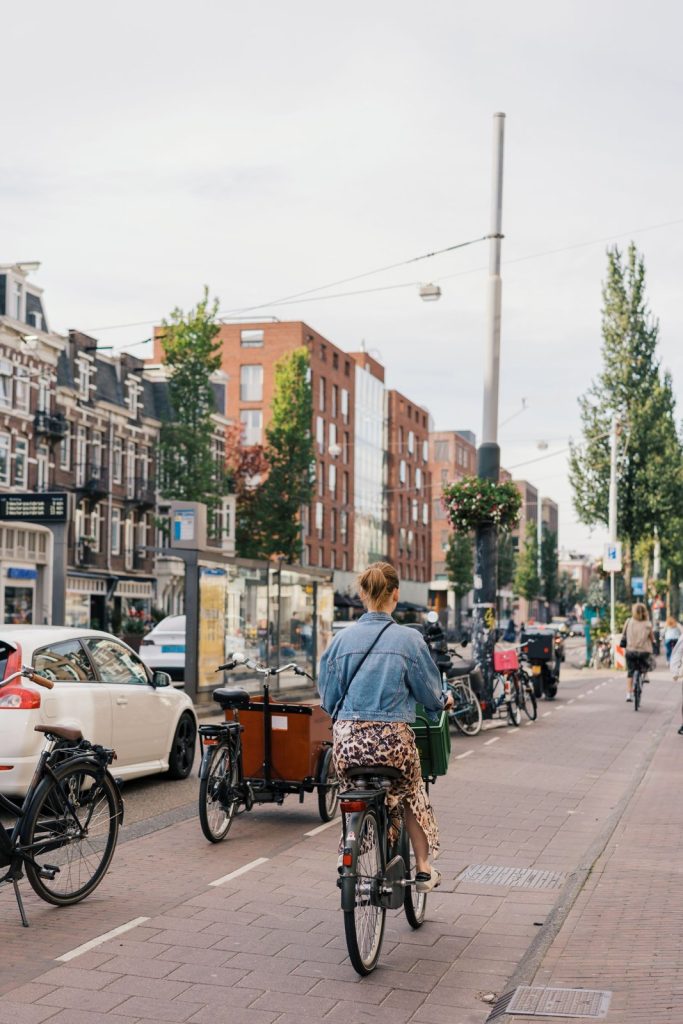
Discuss how traffic in adjacent lanes changes pace. A gap can appear inviting while another road user is approaching through it. Avoid treating a stationary vehicle as a permanent boundary or assuming that slow speed makes a sudden lateral movement harmless. The important question is whether your intended path is clear and remains appropriate. Keep the wider queue in view rather than selecting a space solely because its forward progress seems slightly better at that moment.
Do not create a new conflict while trying to help
MAG includes guidance for car drivers to leave room in the expected filtering area. In a lesson, discuss how to apply that predictably where the layout permits. Do not make an abrupt swerve when you suddenly notice a rider. Consider the available lane space, markings and other users. An action intended as courtesy still needs to be safe. The instructor can help you distinguish a small, appropriate position adjustment from an unnecessary movement made too late.
Do not move into a prohibited area or squeeze another road user because you want to demonstrate cooperation. A courtesy is not an instruction overriding the actual controls. Similarly, do not compete for the opening or use the car’s position to punish behaviour you dislike. Maintain a lawful, predictable path and let the instructor guide the response. The goal is shared awareness, not personally enforcing a code through the vehicle’s movement.
Keep doors and occupants part of the plan
An open door can create a serious obstacle for a passing rider. MAG highlights this danger in its queue guidance. Do not treat being stopped as permission to step out into an active traffic environment or open a door without assessing safety. Discuss the distinction between waiting in a queue and a genuine emergency requiring a different response. The traffic situation, official guidance and service directions matter; a general learning article is not a complete instruction for leaving a vehicle on a motorway.
Before independent travel, make passengers aware that the journey’s road context continues during a stop in traffic. A request to reach luggage or adjust something outside the car may need a proper safe place instead. Avoid turning a minor inconvenience into roadside exposure. If an actual problem occurs, prioritise safety and obtain the appropriate help. Planning ordinary passenger needs before departure reduces avoidable reasons to consider unsuitable actions in a queue.
Practise the explanation without seeking the hazard
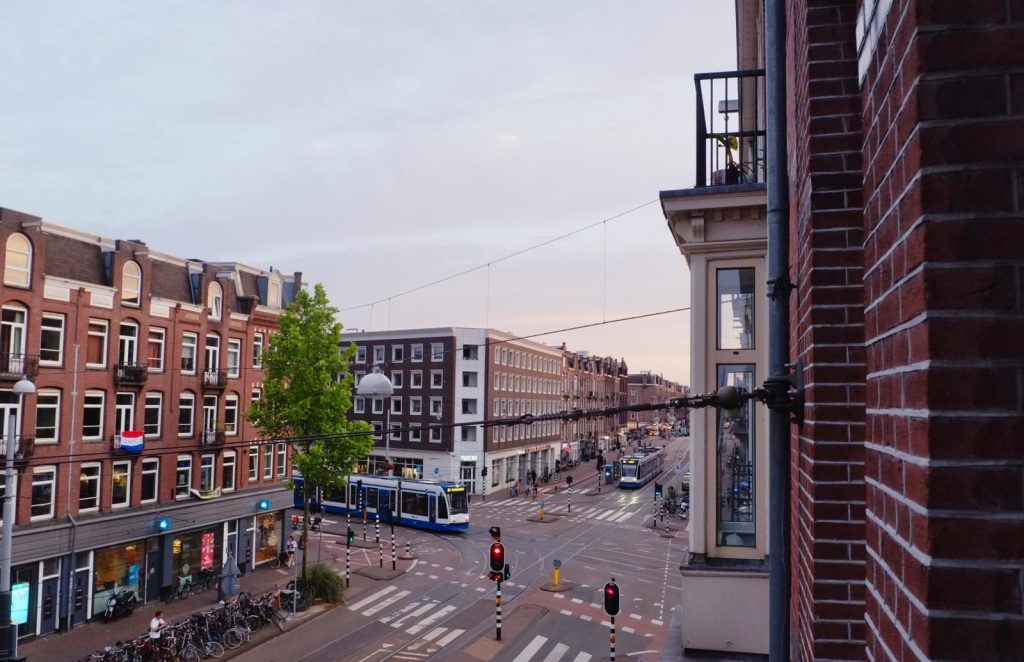
Use a diagram or parked discussion to identify the relevant spaces and observation questions. Ask what you would need to know before moving and what might change while waiting. Do not seek a busy queue just to encounter a filtering motorcycle. The instructor should choose suitable learning conditions. A lesson can prepare the reasoning even when the exact situation does not occur. The point is transferable observation, not collecting exposure to every possible hazard in live traffic.
If a motorcycle passes during the lesson, discuss it afterward from a safe setting. When did you first notice it, and what did you know before that moment? Did your attention become fixed on the rider and lose the vehicle ahead? The debrief should examine a sequence of observations. Avoid reducing the event to a judgement that the rider was fast or slow unless that detail is actually established and relevant to the learning point.
Do not transfer the code unchanged across borders
If you later drive outside the Netherlands, check the rules and official advice applicable there. Similar-looking traffic can be governed differently. A Dutch behaviour code is not a universal international permission. Use appropriate authoritative sources and discuss any uncertainty before travelling. Do not rely on simply copying what nearby drivers or riders happen to do. Observed behaviour can inform your awareness, but it does not establish the legal or safe choice.
Keep the durable lesson in your notes: slow traffic still contains changing side space, and every movement needs an up-to-date assessment. The code provides context for a specific Dutch practice, while observation supports the immediate decision. This separation helps you avoid both surprise and overconfidence. You can be prepared for a motorcycle’s presence without assuming exactly where every rider will appear or treating another person’s expected behaviour as a guarantee.
Read the Dutch filtering code as a source of expectations, not a substitute for rules or observation. Maintain side awareness in a queue, avoid abrupt courtesy movements and keep doors closed unless the actual situation calls for a safe, properly assessed action. Instructor-led discussion helps turn an unfamiliar practice into a manageable traffic decision without making either road user’s path automatic.