Passing the practical test is an important milestone, but independent driving introduces a new situation: you make the whole journey without an instructor managing the learning plan beside you. Prepare that transition deliberately. Start by completing the official licence process and checking when you are entitled to drive. Then choose a suitable vehicle, understand the insurance arrangements and plan a manageable first journey. The aim is not to prove independence through the hardest available route, but to apply the skills you learned with appropriate preparation.
Complete the administrative steps first
Follow the municipality’s procedure for applying for and collecting the licence after a successful test. Check the official instructions, required documents and the status of your application. A test result and the final licence document are separate stages. Do not assume that a confirmation about one automatically settles every requirement for independent driving.
When the licence is available, check the personal details, categories and any conditions shown. Ask the responsible authority if something is unclear. Keep the document secure and understand the requirements for carrying or presenting it. Clear administration avoids beginning your first journeys with an unresolved question about entitlement or a missing official step.
Confirm the vehicle and insurance arrangements
Make sure you are permitted to use the car and understand the applicable insurance arrangements. If it belongs to a family member, employer or rental company, ask directly how your use is covered. Do not infer this from the fact that another person is insured or that the vehicle has been available to you as a passenger.
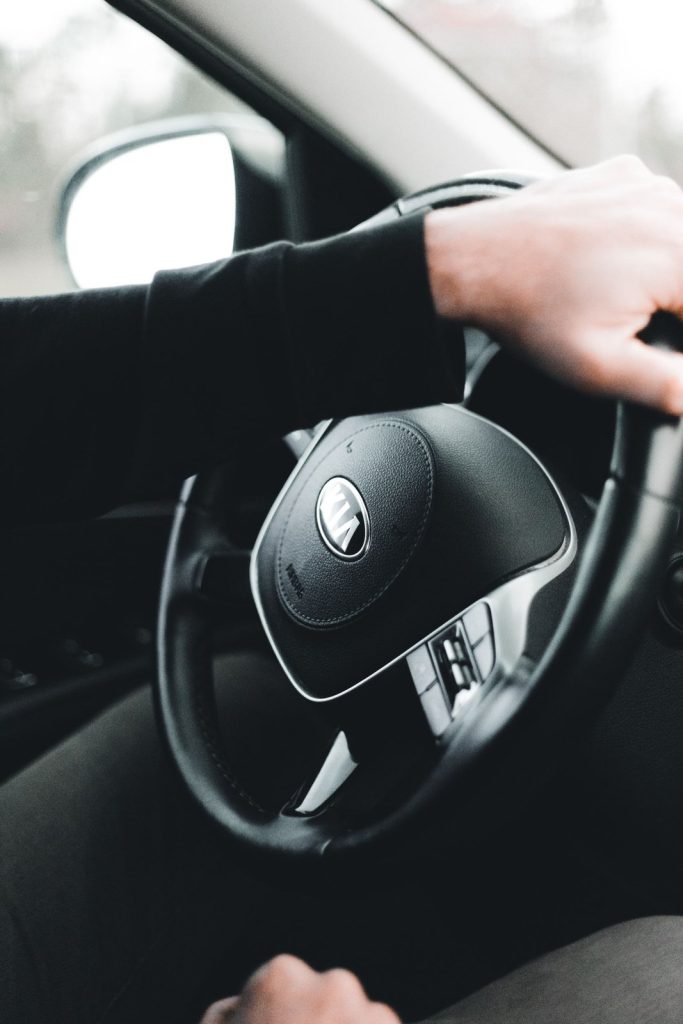
Familiarise yourself with the controls while stationary, particularly if the car differs from the tuition vehicle. Locate visibility, lighting and ventilation controls and check the vehicle’s instructions where needed. A different dashboard or transmission can add workload. Resolve basic questions before beginning the journey instead of trying to learn every unfamiliar control while navigating traffic.
Choose a route you can prepare properly
For an early independent drive, select a journey with a clear destination and manageable conditions. Review the route, parking and likely changes in road type. Leave enough time so a missed turn does not create pressure. Familiarity can help, but continue reading signs and the actual road scene rather than driving from memory alone.
Consider weather, traffic and your own readiness on the day. A route suitable in one set of conditions may call for a different plan in another. You can postpone an optional journey or choose a less demanding alternative. Independence includes deciding when the available information and circumstances do not support the original plan.
Keep attention on driving rather than proving confidence
Avoid adding unnecessary distractions or commitments to the first journey. Plan navigation before moving and use equipment only in a lawful, safe way. If a passenger joins you, make expectations clear so conversation does not compete with decisions. You do not need an audience or a complicated destination to make the drive worthwhile.

If you become unsure of the route, preserve safe driving decisions and find an appropriate place to reassess. A navigation mistake is not a reason for a sudden manoeuvre. This is the same principle developed in lessons, now applied without immediate guidance. Give yourself time to use it rather than treating every wrong turn as a failure.
Review experience and build gradually
After parking safely at the end, note one thing that went well and one situation you want to understand better. Use current theory information or a qualified instructor to address a specific question. A refresher lesson can be a constructive way to develop a skill or become familiar with a different vehicle; learning does not stop when testing ends.
Expand your journeys as experience and circumstances allow. Add unfamiliar routes or conditions thoughtfully rather than all at once. Keep your review factual and avoid turning one difficult moment into a judgement about every future drive. Responsible confidence grows from preparation, observation and a willingness to adjust, not from pretending that passing removed the need to keep learning.
Sources: RDW — Driving licence; Business.gov.nl — Rules for driving licences; CBR.