On a cold morning, pressure to reach a lesson or appointment can turn preparation into a hurried attempt to clear just enough glass to move. That is the wrong goal. The driver needs the view required for the whole driving task, including side observation and the relevant mirrors or camera system. Prepare the car before departure and allow enough time for the actual conditions. For a learner, this is also an equipment lesson: know the appropriate method for external ice and the controls for internal misting. One small clear patch does not solve the wider problem of seeing and maintaining awareness.
Plan the time before the pickup or journey
Check the expected conditions and allow a margin for preparation. If the lesson vehicle is the instructor’s responsibility, clarify the pickup arrangement rather than arriving with assumptions. For a private car, make preparation part of the journey plan, not an obstacle to be rushed through. A tight schedule does not make incomplete visibility acceptable. If the vehicle cannot be prepared properly, address that before moving instead of hoping the view will improve as you drive.
Keep suitable equipment accessible and use it according to the vehicle and product instructions. ANWB recommends appropriate de-icing methods and warns against warm water, which can damage glass. Do not substitute a popular improvised technique for the manufacturer’s guidance. A method that appeared successful in a short video is not evidence that it is suitable for your windscreen or conditions. The practical aim is a clear, undamaged view, not the fastest-looking trick.
Distinguish external ice from internal mist
A scraper does not solve every visibility problem, and a ventilation setting does not establish that the exterior has been properly cleared. Identify what is obstructing the view. Learn the relevant heating, demisting and ventilation controls in the actual vehicle while parked. Their layout and operation can vary. Do not start experimenting with an unfamiliar screen during a manoeuvre. The time to understand which control affects which surface is before attention is divided by traffic.

If the obstruction keeps returning or a control does not work as expected, address the problem rather than accepting repeated loss of view as normal. Consult the handbook and obtain appropriate help if needed. Avoid diagnosing a mechanical cause from a brief symptom. A learner can describe what happens and when without pretending to identify the fault. Clear communication makes it easier for the instructor or professional to decide what is required before the car is used.
Check the complete observation area
Consider the view needed ahead, to the sides and behind through the equipment the vehicle uses. Do not evaluate readiness solely from the driver’s seated view straight through a small opening. Turning, junction checks and mirror observation require more. Discuss the relevant surfaces and safe preparation with your instructor. A parked briefing can show why the wider view matters without turning the exercise into a memorised claim that one visible area is always sufficient.
Remove snow and ice appropriately from the vehicle where it can affect visibility or other road users, following suitable guidance. Do not leave preparation incomplete because the windscreen itself looks better. Check lights and other relevant equipment as part of the vehicle’s normal instructions. The goal is the whole vehicle’s readiness, not a cosmetic improvement in one pane of glass. If you cannot safely reach or clear something, use appropriate assistance rather than climbing on unstable equipment.
Do not force equipment against frozen conditions
Check the vehicle guidance for wipers, washers and cold-weather preparation. ANWB advises attention to wipers that may be frozen to the glass. Do not simply activate a mechanism and assume it will remove whatever is obstructing it. Learn the appropriate response for the car and use compatible products where specified. A damaged wiper or unresolved washer issue can create another visibility problem later, even if the initial ice has gone.
Avoid improvised chemical mixtures or tools that can harm glass, seals or equipment. If a product is used, read its instructions and suitability. More of a substance is not automatically a better result. Do not scrape a camera or sensor casually because it appears near a window; consult the manufacturer’s cleaning guidance for that component. Cold-weather preparation should preserve the equipment you will depend on, not create damage through a hurried attempt to leave.
Reassess before and during the planned journey
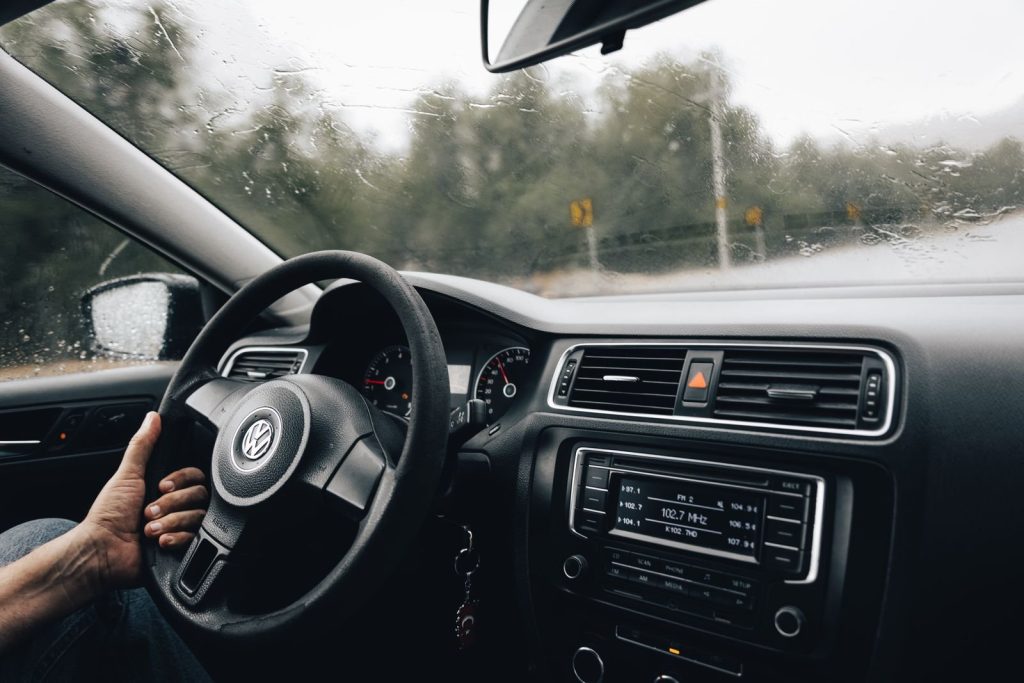
Before moving, confirm that the relevant view is actually clear and the controls are in a suitable state. Do not rely on the amount of time a heater has been running as proof. Use the vehicle’s instructions and instructor guidance. If visibility deteriorates after departure, communicate and respond through an appropriate safe plan. Do not continue by leaning toward a small clear patch or diverting attention into repeated dashboard adjustments while the road task remains demanding.
A weather warning or road condition can make the journey unsuitable even after the glass is clear. Check current official information and discuss the lesson plan. De-icing is preparation for seeing; it does not remove ice from the road or establish that a beginner should drive in any conditions. Keep these decisions separate. A properly prepared vehicle is necessary for the intended task, but it is not a blanket endorsement of the route or timing.
Build a repeatable cold-morning routine
After the first properly supervised preparation, note where the equipment is kept and which controls matter. Keep the routine simple enough to use, with the handbook as the reference for vehicle-specific details. If a borrowed or rental car differs, repeat the briefing rather than transferring the exact switch sequence. The stable skill is identifying the obstruction and restoring the whole required view, not memorising one dashboard or one brand of de-icer.
Review any difficulty before the next cold day. Perhaps the tool was inaccessible, the product unsuitable or the demisting control unfamiliar. Fix that issue in advance rather than repeatedly relying on extra time under pressure. A useful lesson outcome can be a clearer preparation plan even before the driving begins. It reduces distraction and gives the later road lesson a sound starting point, instead of asking the learner to compensate for avoidable uncertainty about what can be seen.
Prepare the whole view with suitable equipment and the actual vehicle instructions. Allow time, distinguish ice from mist and learn demisting controls while parked. Do not force frozen equipment or treat a small clear opening as readiness. When preparation or conditions remain unsuitable, resolve that before departure. Good visibility is the foundation for observation, not something to finish improving after the lesson is already under way.