

The choice between manual and automatic lessons is partly about learning and partly about the vehicles you expect to drive later. Neither label tells you how quickly you will become a safe driver. Transmission is only one part of operating a car while observing traffic and planning decisions. Start by considering your actual vehicle access, the type of tuition available and the licensing consequences described by the authorities. Then discuss the practical choice with an instructor rather than relying on a promise that one route is effortless.
Think about the cars you will use
List the vehicles you realistically expect to drive after obtaining a licence. These might include a household car, occasional rentals or an employer’s vehicle. Distinguish a concrete need from an assumption that you may one day drive every possible type of car. The list helps you understand what flexibility matters and what is merely an attractive idea.
If the vehicle choice is not settled, note that uncertainty rather than forcing a definite answer. You can still compare lesson options and learn about licence restrictions. A decision based on clear current needs is easier to review than a choice justified by a collection of unlikely future situations that have never been discussed.
Understand the different control workload
Manual tuition includes learning to coordinate clutch and gear selection alongside other driving tasks. Automatic tuition changes that part of the workload, but it does not remove the need for observation, planning and safe decisions. Ask an instructor to explain how the controls interact with your current learning stage.
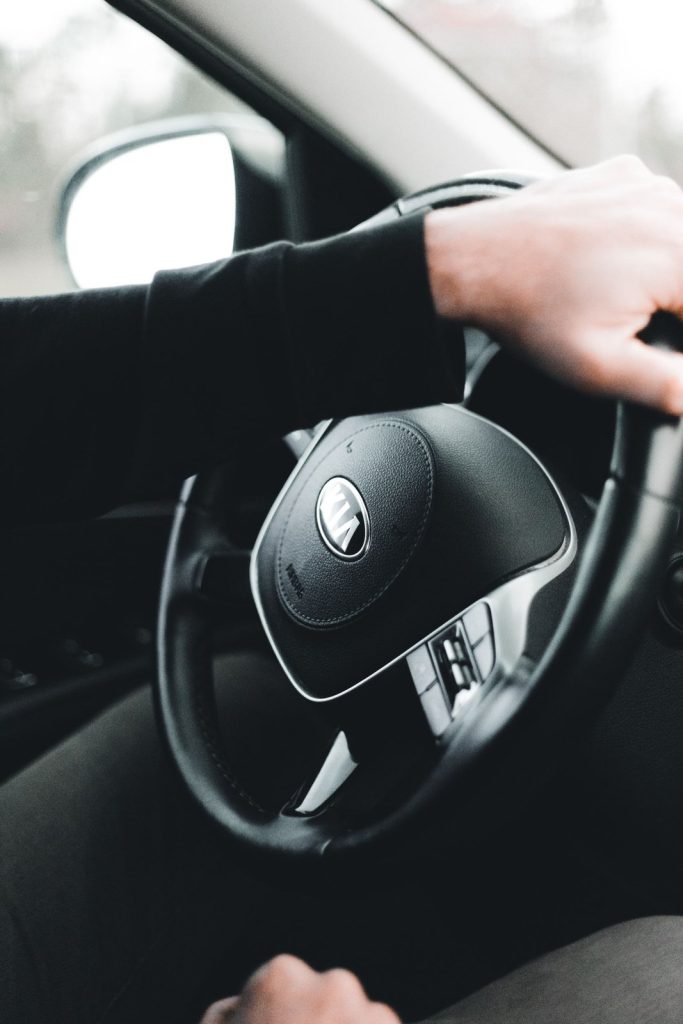
During an assessment, describe which tasks demand most attention. Difficulty with a control sequence is useful information, not a verdict about your overall ability. The instructor can explain how practice might develop and whether a different transmission would suit your goals. Avoid interpreting a short initial experience as a guaranteed prediction of the whole training programme.
Check the licence implications directly
Read current official information about the licence obtained after a test in a particular transmission type. Restrictions and the steps needed to change them should be understood before you commit. Ask CBR or RDW for the relevant procedure when your situation is not clear. Do not assume that rules from another country apply to a Dutch licence.
Keep the official explanation with your comparison notes. An instructor can discuss the practical learning route, while the authority determines licensing requirements. If someone describes an easy later change, ask which official procedure they mean and what training or testing it involves. This turns a casual reassurance into information you can actually evaluate.
Compare availability and the complete offer
Ask each school about lesson duration, regular time slots, instructor continuity and any difference in fees. Compare the actual minutes and included services, not only the price per lesson. Availability matters too: a suitable transmission option may be less useful if the timetable cannot support consistent learning around your commitments.

Read the package terms, including cancellation and unused credit, before paying. If you are considering changing transmission during training, ask how existing credit and assessment would be handled. A clear answer prevents a teaching decision from becoming a financial misunderstanding later. Keep promises about a change in writing with the rest of the agreement.
Make the decision with a reviewable reason
Write a short explanation of your choice, such as future vehicle access, manageable workload and a workable tuition schedule. Avoid framing it as proof that you will need a particular number of lessons. Readiness develops through learning and assessment, and the chosen transmission does not guarantee either a test date or a result.
If circumstances change, revisit the decision with your instructor and the relevant official requirements in view. A different household vehicle or work need may change the balance. Because you recorded the original reasoning and terms, you can identify what has actually changed instead of starting again with the same general debate about which type is best.
Sources: CBR; RDW — Driving licence; Business.gov.nl — Rules for driving licences.