

A beep, symbol or steering-related sensation can be confusing when the lesson car contains a system you have never used. The feature’s marketing name may not explain its scope. Before relying on it or switching it off, ask what it is intended to do, how it communicates and what the driver must still do. RDW distinguishes driver-assistance systems from more advanced automated systems and stresses understanding the intended operation. For an ordinary lesson, focus on the equipment actually fitted and the instructor’s plan. Familiarity with a name is not the same as knowing how a particular system behaves.
Identify the feature rather than guessing from the alert
Ask your instructor to explain the specific indication while safely parked. Use the handbook for the actual vehicle and version where needed. A similar icon or sound in another car may not represent identical behaviour. Record the feature name and its purpose in plain language. Do not assign a diagnosis to every beep from memory. The signal may concern a setting, warning or equipment condition that needs a different response from the one you first imagine.
Keep routine feature information separate from an unexplained fault. If something unexpected happens during a lesson, communicate it and follow the instructor’s guidance. Do not search the dashboard or experiment with settings while attention is required on the road. The useful preparation is to know where the information comes from and how the vehicle communicates. A parked explanation reduces the workload later without requiring the learner to infer an entire system from one brief alert.
Distinguish a warning from an intervention
A system that alerts the driver and a system that can affect vehicle control have different roles. Understand what the fitted feature actually does and under what conditions, using its documentation. Do not assume that every warning means the car has already corrected the situation. Likewise, an intervention does not imply that the system can handle all related hazards. The driver needs a clear account of what information or assistance is being provided, not a broad impression that the car is looking after everything.
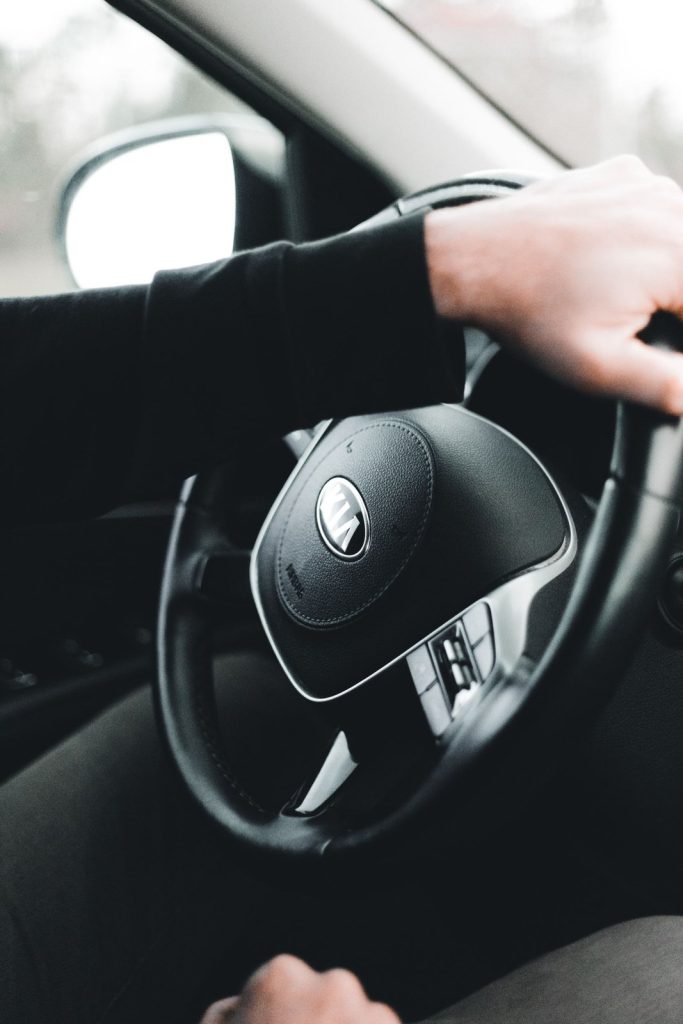
RDW describes ADAS as assistance in situations where the driver remains responsible and supervises the relevant operation. That is a useful distinction for the systems discussed here. Do not extend the statement into a claim about every legally defined automated-driving system, which may have a different scope. The lesson should identify the actual category and operating conditions rather than using self-driving as a casual label for a feature that assists with one part of the task.
Read the limitations before making the feature part of your plan
Check the conditions in which the system is intended to operate and any stated restrictions. These can be vehicle-specific, so avoid a universal list inferred from another brand. If the handbook says the driver must respond to a particular message, learn that instruction before use. Do not test a limit deliberately in live traffic. A lesson can explain scope through safe discussion and suitable practice without creating a hazard to see whether the technology reacts.
Ask what happens when the feature is unavailable or stops assisting. The answer should come from the vehicle information and instructor briefing, not a guess based on the absence of a dashboard symbol. Understanding the status helps prevent overreliance. A car that assisted in one situation does not promise the same result in a different arrangement. Keep the road decision grounded in observation and applicable controls rather than assuming that a silent system confirms everything is safe.
Learn the controls in a calm setting
Know how the feature is selected, how its state is indicated and what the instructor expects during the lesson. Do not press an unfamiliar button to remove an annoyance while moving. A control may change more than the sound you intended to silence. The correct arrangement should fit the vehicle instructions, applicable requirements and learning objective. The learner should understand the choice, while the instructor manages the practical teaching context. This is an equipment briefing, not permission to alter every assistance setting independently.
If a setting changes after restarting or switching driver profiles, verify the actual state. Do not assume that every system retains or resets preferences in the same way. This becomes particularly relevant when you move to a rental or shared car later. A quick review of the relevant controls and indicators is more useful than confidently applying a habit learned in a different vehicle. Consistency comes from checking the equipment, not expecting identical interfaces everywhere.

Keep ordinary observation independent of the alert
An assistance indication should not become your only cue for a developing traffic situation. Continue the observation and planning your instructor teaches. If you wait for a beep before considering lane position or distance, you may be using the system differently from its intended role. Discuss the relationship with the instructor. The feature can provide support, but your learning still needs to explain the decision from the road picture rather than only from what the dashboard announced.
After an event, separate the driver’s action from the system’s observed response. Do not claim that the car saved a situation unless the evidence supports that description. You may have noticed a warning, felt an intervention or been told to act by the instructor. Those are different observations. A precise debrief helps you understand both your skill and the technology without turning an uncertain moment into an exaggerated story about reliability or failure.
Transfer the method to another car
When the vehicle changes, identify the relevant features again. Ask for a proper handover or consult the manufacturer’s documentation. RDW notes that names and functions can differ across systems, which is why recognising the general concept does not establish operational familiarity. Do not rely solely on a promotional video or another driver’s assurance that the car does everything. The actual interface, conditions and instructions matter to the journey you are about to make.
Keep a short preparation note for the unfamiliar features, not a catalogue of every option. Focus on what affects the intended driving task and what needs clarification before departure. If you cannot establish how an important feature works or whether a warning indicates a fault, obtain the appropriate help. Responsible use includes acknowledging incomplete knowledge. The aim is a clear relationship between the driver, instructor and equipment, rather than confidence built on a system name.
Identify the feature, its actual function, operating limits and status indicators while safely parked. Distinguish assistance from broader automation, and keep observation independent of a warning. Use the specific handbook and instructor briefing rather than a familiar marketing label. A driver-assistance system is most useful when its role is understood, including the situations in which it is not providing the help you might expect.