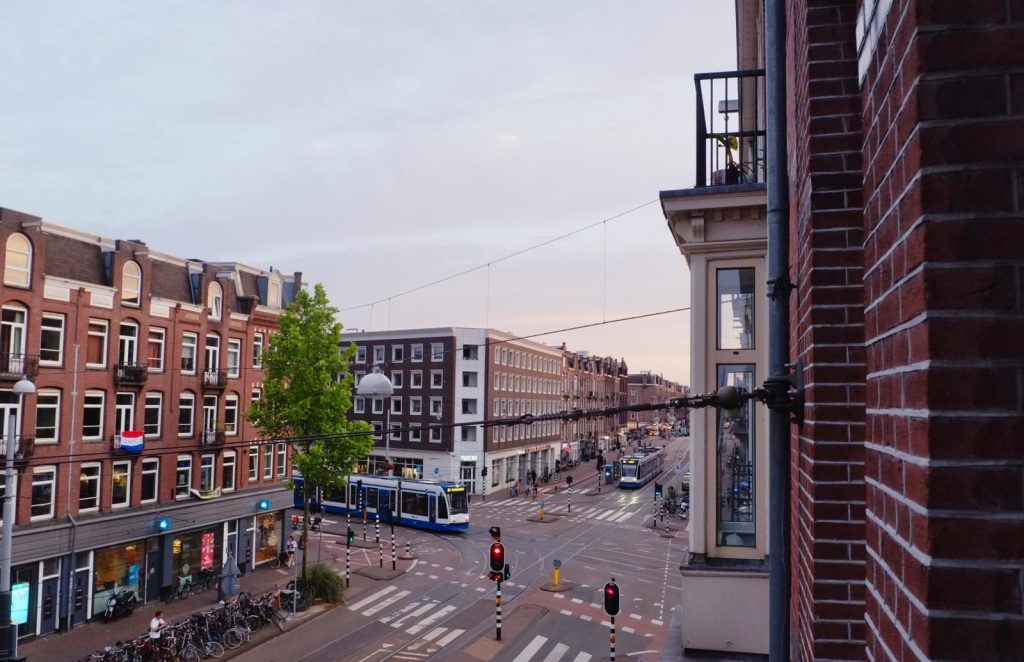
A stationary tram can look like a large parked vehicle until passengers begin moving between its doors and the street. The stop’s layout determines where those movements occur and what a driver needs to recognise. For a learner, the useful preparation is not simply memorising that trams have special rules. It is learning to read the passenger route, the surrounding traffic controls and the space you intend to use. Discuss these relationships with your instructor before a busy urban lesson. The tram’s doors and passengers are part of the road scene, not background activity beside the car.
Identify the kind of stop in front of you
Look at whether passengers use a platform or move across part of the road to reach the tram. Do not assume that every stop in the same city has the same arrangement. Observe the actual route from the waiting area to the doors and the relevant crossings or signals. Your instructor can explain how the layout affects the decision. A stop sign or shelter identifies a location, but it does not alone show every movement that may enter your intended path.
Use a diagram or an appropriately observed example to discuss the differences while parked. The goal is to recognise the relationship among pavement, roadway, tram and passengers. Avoid a fixed line such as always pass on a particular side without the surrounding rule and conditions. The same broad street can contain several stop designs. A useful learner reads each arrangement instead of transferring a successful action from a previous location unchanged.
Keep the passenger rule distinct from general tram priority
CROW’s Dutch guidance explains that other road users may pass a tram on the right, but not where passengers are boarding or alighting from or onto the road. Learn the applicable RVV rules with your instructor and connect them to the actual layout. This is a specific passenger-safety issue, not merely the same question as priority at an intersection. A stationary tram does not make the space beside it automatically available for a car to continue.
Do not expand a short explanation into a universal claim about every tram situation. Signals, signs and the type of movement remain relevant. A learner benefits from separating the questions: who has priority at the junction, where passengers may be and whether the intended passage is permitted and safe. If these are mixed into a slogan that the tram always wins, important exceptions and passenger movements can be missed. Use current theory material and the instructor’s guidance for the full relationship.
Look for movement, not only open doors
Passengers can be approaching the stop, waiting close to its edge or moving after leaving the tram. Do not focus exclusively on a door mechanism while losing sight of people around it. A person may change direction or be partly hidden by the vehicle. Read the wider area and allow the instructor to guide the appropriate pace and decision. The aim is not to predict every individual perfectly, but to avoid assuming the route remains empty because one visible person has finished crossing.
Also consider cyclists and traffic beside the car. A response to the tram should not create a conflict elsewhere. Before any position change, use the observation appropriate to that manoeuvre. Do not swerve around a stopping vehicle because a small gap appears available. If the situation is unclear, communicate the uncertainty to your instructor. A delayed decision supported by observation is preferable to committing to a narrow path simply because the queue behind expects movement.
Separate seeing a gap from having a justified passage
A physical opening can exist while the traffic conditions make using it inappropriate. Discuss what evidence you need before continuing: the relevant controls, the passenger situation and a safe route for the whole vehicle. Do not let a driver ahead supply the conclusion. They may be responding to a different moment or making an error. Your own decision must fit the current scene. A stop can change while the car in front clears it, so an earlier opportunity does not automatically remain open for you.
Avoid using eye contact as a substitute for the required assessment. A passenger looking toward the car does not grant permission to continue through an unsafe or prohibited situation. It is one observation within a larger picture. The instructor can help you interpret uncertainty without inventing informal rules. Learning to wait for a clear, lawful passage is part of urban driving, not an interruption to the real lesson.
Prepare the vocabulary and observation questions
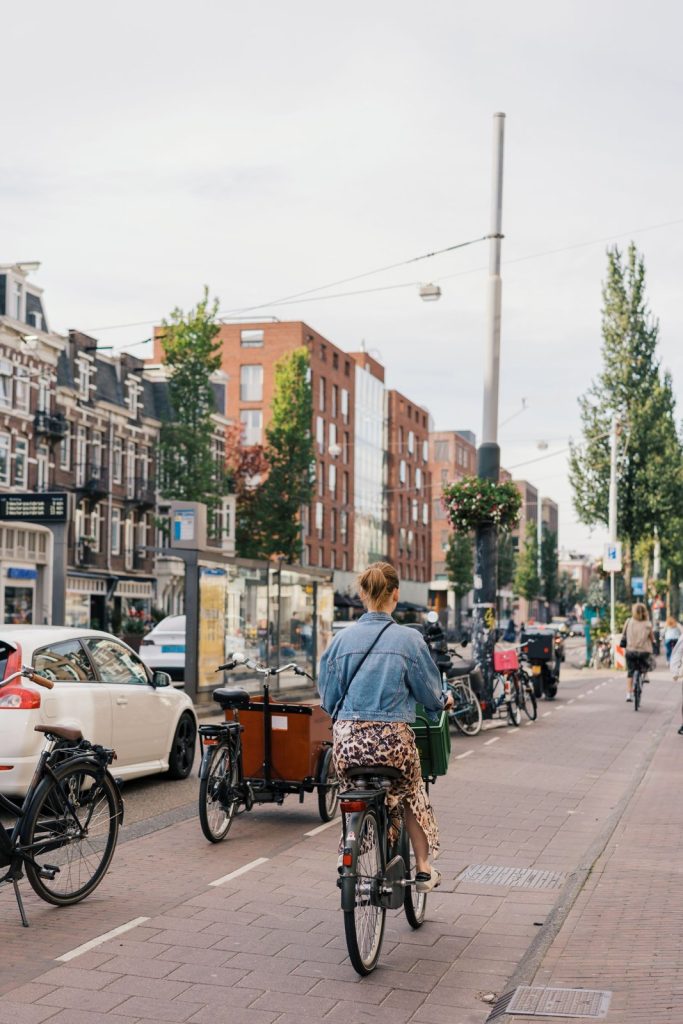
Learn the terms you encounter in local instructions and theory material, including the names for stops, passengers, boarding and alighting. Connect each word to an observable relationship. A vocabulary list becomes useful when it helps you understand why the road space is temporarily occupied. Ask your instructor to distinguish signs directed at ordinary traffic from signals intended for the tram. Do not infer their meaning from shape or familiarity without checking the actual rule.
A short briefing can ask where people wait, where they cross, what controls apply and what your intended path would intersect. These questions fit many layouts without becoming a rigid manoeuvre recipe. Practise them in a safe learning context chosen by the instructor. Do not stop in an unsuitable place to study the stop or take photographs during a lesson. The preparation should reduce live workload rather than add a research task in the moving car.
Review the first cue you noticed
After the encounter, identify when the stop became part of your plan. Did you notice the shelter and tram early, or only react to a passenger near the lane? Was the layout understood before you reached the decision point? These observations help target the next lesson. A safe outcome can still reveal a late cue, while an appropriate wait can show good anticipation. Do not judge the result solely by how smoothly the traffic continued behind you.
Keep a note about the distinction that mattered, such as passengers reaching doors from the roadway rather than from a protected platform. Avoid saving an instruction to copy the exact position next time. The next stop may differ. What transfers is the habit of identifying the passenger route, applying the relevant controls and checking the current scene before passing. That gives special tram rules a practical connection to the people they protect.
Read a tram stop as a changing passenger environment. Identify its layout, separate boarding and alighting rules from junction priority, and do not mistake a narrow physical gap for an appropriate route. Instructor-led preparation makes the observation manageable. The key decision is whether the whole passage is lawful and safe now, including the people moving between the pavement and the tram.